



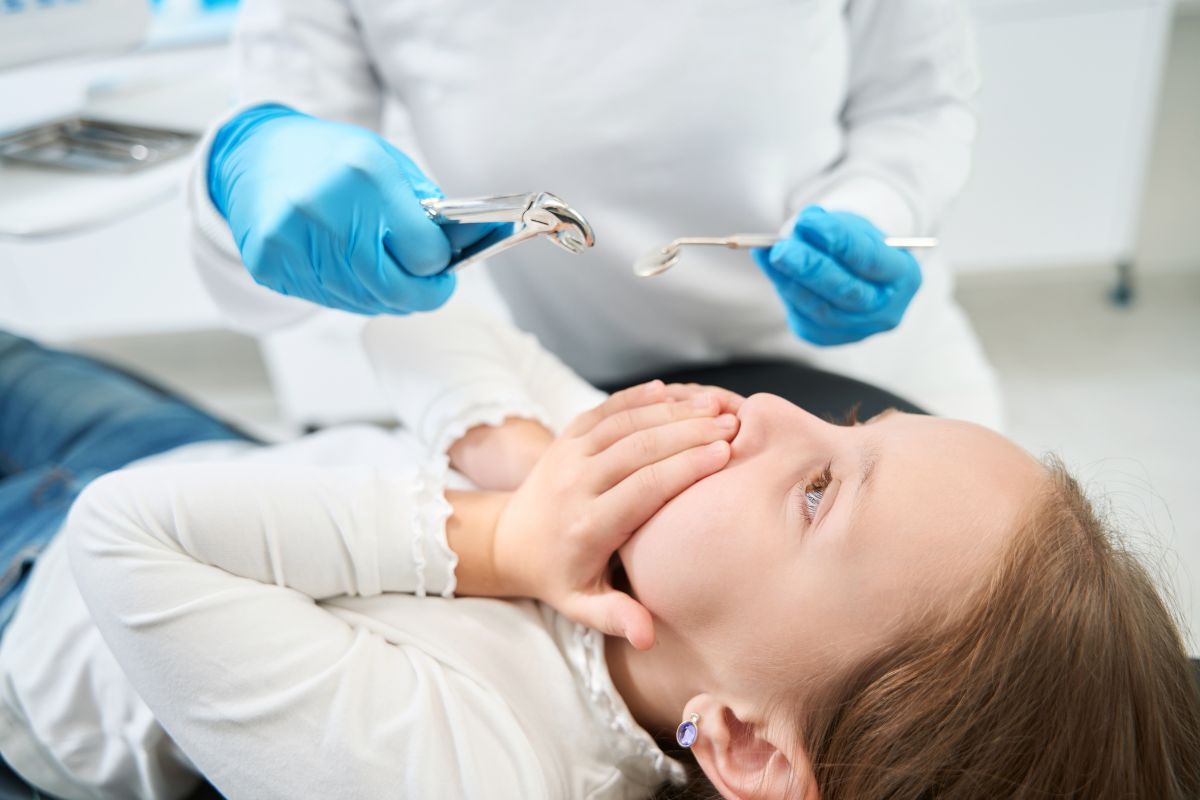
Is your child too anxious or fearful to undergo dental treatment? For many families, even routine dental visits can become overwhelming when a child cannot stay still or is highly anxious. That’s where outpatient general anesthesia and various forms of dental sedation approaches become invaluable. These methods make it possible for children to receive safe, effective, and comfortable dental care — even for complex procedures.
This article from Branson Kids Dental explains everything parents need to know about children’s dentistry sedation options, including oral sedation, conscious sedation in kids dentistry, and Kids’ dentist anesthesia. We’ll cover when and why general anesthesia is recommended, how it’s performed, its benefits and risks, Missouri-specific regulations, and how to prepare your child.
If you’ve ever wondered about terms like liquid sedation, kids’ dentistry, or children’s sedation guidelines, this detailed guide will help you understand your options and make informed decisions about your child’s dental health.
Definition & What “Outpatient General Anesthesia” Means
General anesthesia involves a carefully controlled, drug-induced state of unconsciousness during which your child feels no pain and remains completely unaware of the dental procedure. Breathing is supported and continuously monitored by trained anesthesia professionals.
The term “outpatient” (or ambulatory anesthesia) means the child is treated and discharged the same day — no overnight hospital stay is required. In the context of kids’ dentistry anesthesia, this allows for full dental treatment to be completed in a comfortable, stress-free environment under strict medical supervision.
While general anesthesia is the deepest level of sedation, lighter forms such as oral sedation in children’s dentistry or conscious sedation for kids’ dentistry may also be used for mild to moderate cases, depending on the child’s anxiety and treatment needs.
When Is It Recommended? (Indications / Patient Selection)
Outpatient general anesthesia and other dental sedation options are typically recommended when:
-
The child is very young or unable to cooperate due to their developmental stage.
-
There are special health care needs or sensory sensitivities (e.g., autism, ADHD).
-
The child experiences extreme dental anxiety or fear.
-
Extensive or multiple dental treatments are required.
-
Conscious sedation in kids’ dentistry has proven insufficient in previous visits.
Children’s dentistry sedation ensures that care is compassionate, safe, and comprehensive for children who would otherwise be unable to tolerate dental procedures.
How It Works — Procedure & Protocol
A typical kids’ dentist anesthesia procedure involves several well-defined steps to maximize safety and comfort:
-
Preoperative Evaluation:
-
Review of medical history, physical examination, and any necessary lab tests.
-
Discussion of medications, allergies, and previous anesthesia experiences.
-
-
Fasting Instructions:
-
Parents are given strict “nil per os” (NPO) guidelines to avoid complications during anesthesia.
-
-
Administration:
-
General anesthesia may be given via inhalation (gas) or IV, depending on the child’s needs.
-
Oral sedation or liquid sedation in kids’ dentistry may be used for milder cases, helping the child relax before anesthesia induction.
-
-
Intraoperative Monitoring:
-
Continuous tracking of heart rate, oxygen, and blood pressure by certified professionals following children’s sedation guidelines.
-
-
Recovery:
-
Children are monitored closely as they wake up, ensuring stable vitals and smooth emergence before discharge.
-
Benefits & Limitations / Risks
Benefits:
-
Enables full treatment in a single visit, minimizing stress.
-
Prevents psychological trauma for anxious or special-needs children.
-
Promotes cooperation, comfort, and efficiency for both patient and dentist.
Limitations & Risks:
-
Like all medical procedures, kids’ dental anesthesia carries rare but potential risks such as airway complications, nausea, vomiting, or allergic reactions.
-
Studies show that serious adverse events are extremely rare when care follows established children’s sedation guidelines and is supervised by trained professionals.
Evidence supports the safe use of conscious sedation for kids’ dentistry and general anesthesia in properly selected patients, ensuring excellent treatment outcomes.
Preparing Your Child / Preoperative Instructions
Parents play an important role in making the experience smooth:
-
Disclose all health conditions, medications, or recent illnesses.
-
Follow fasting and medication instructions exactly.
-
Dress your child in comfortable, loose clothing.
-
Bring a favorite blanket or toy for reassurance.
-
Ensure an adult accompanies the child and remains available post-procedure.
When oral sedation is used in kids’ dentistry, it’s important to monitor your child for drowsiness and follow discharge guidance carefully.
What to Expect During & After the Procedure
During the procedure, trained staff continuously monitor your child’s vitals while the dental team completes all necessary treatments efficiently and painlessly.
Postoperative Recovery:
-
Your child may be sleepy, dizzy, or mildly nauseous for a few hours.
-
Clear liquids are encouraged first, followed by soft foods.
-
Mild grogginess is normal, but breathing difficulties, persistent vomiting, or unusual bleeding should prompt a call to your dentist or physician.
When lighter conscious sedation or liquid sedation for children’s dentistry is used, recovery is typically quicker, but supervision is still required until the sedative fully wears off.
Key Takeaway
Outpatient general anesthesia — along with techniques such as oral sedation and conscious sedation for kids’ dentistry — allows children who might otherwise struggle with dental care to receive safe, comprehensive, and comfortable treatment.
At Branson Kids Dental, we follow evidence-based kids’ sedation guidelines and work with credentialed professionals specializing in children’s dental anesthesia. Whether your child needs liquid sedation, children’s dentistry, or full general anesthesia, our compassionate team ensures safety, trust, and care every step of the way.
If your child is anxious about dental visits, schedule a consultation today with our Kids’ Sedation Dentist Branson team — and discover how comfortable dentistry for kids can truly be.